Proper storage of foam sealant is essential to ensure its effectiveness, longevity, and safety. Foam sealant is a chemical product that can degrade over time if exposed to unsuitable conditions, leading to poor performance, reduced expansion, or even spoilage. Understanding how to store foam sealant correctly helps homeowners and professionals maintain its quality for future projects.
Understanding Foam Sealant
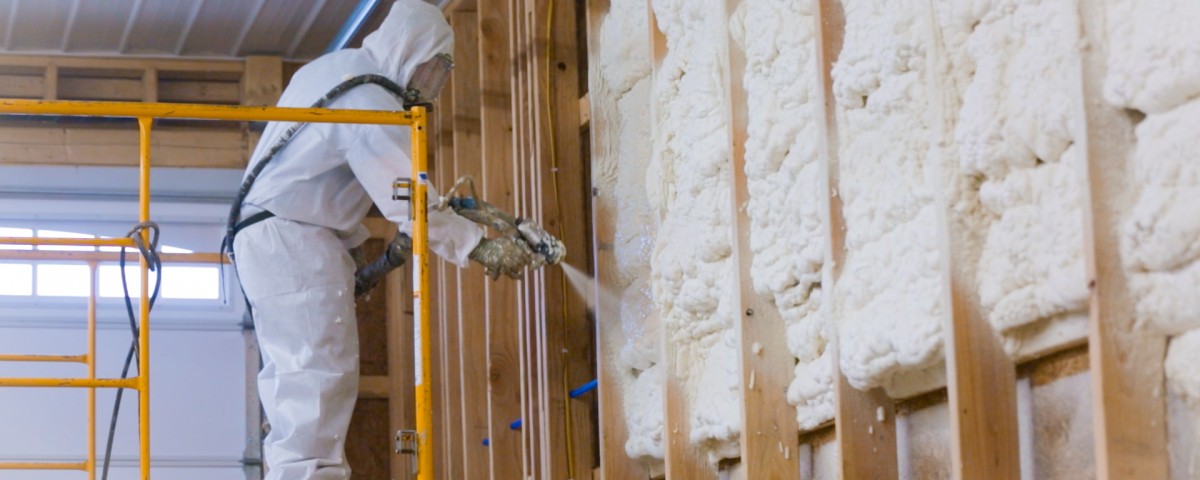
Foam sealant is a polyurethane-based expanding material used to fill gaps, cracks, and cavities in walls, ceilings, floors, and around doors and windows. Its expanding and adhesive properties make it highly effective for sealing, insulating, and protecting structures from air and moisture infiltration. For consistent results, it is important to choose a reliable product, and foam sealant offers a range of formulations suitable for indoor, outdoor, and specialized applications, all of which maintain performance when stored properly.
Importance of Proper Storage
Improper storage of foam sealant can lead to issues such as canister clogging, decreased expansion, and even complete product failure. Factors such as temperature extremes, direct sunlight, and moisture exposure can compromise the chemical integrity of the foam. By following proper storage practices, you can extend the shelf life of foam sealant, reduce waste, and ensure it remains ready for use when needed.
Ideal Storage Conditions
1. Temperature Control
Foam sealant should be stored in a cool, dry place, typically between 5°C and 25°C (41°F and 77°F). Extreme heat can increase internal pressure in the canister, posing a safety risk, while freezing temperatures can cause the foam to become ineffective. Avoid storing foam sealant near heaters, direct sunlight, or uninsulated outdoor areas.
2. Upright Position
Always store foam sealant canisters in an upright position. This prevents leaks and ensures the internal propellant remains evenly distributed. Storing the can upside down or on its side can lead to clogging of the nozzle and uneven foam consistency during application.
3. Dry Environment
Moisture can react with the foam’s chemical components, especially in uncured products, reducing its effectiveness. Keep foam sealant away from damp areas, wet floors, or humid storage spaces. A sealed cabinet or dry shelf is ideal for maintaining product quality.
Maintaining Unused Foam Sealant
1. Check Expiration Date
Foam sealant has a limited shelf life, usually between 12 and 24 months depending on the formulation. Always check the expiration date before storage and before use. Using expired foam may result in poor expansion or inadequate sealing performance.
2. Cap or Seal Nozzles
If the nozzle has been used, ensure it is cleaned and capped properly to prevent the foam from curing inside the nozzle. A clogged nozzle can render the canister unusable. Some manufacturers provide special caps or plugs for this purpose.
3. Avoid Physical Damage
Store canisters in a location where they will not be punctured, crushed, or exposed to impacts. Damaged containers may leak or rupture, creating safety hazards and wasting the product.
Storage Tips for Long-Term Use
- Rotate stock so that older foam sealant is used first.
- Keep an inventory to track usage and avoid storing expired products.
- Store foam sealant away from children, pets, and high-traffic areas to prevent accidental contact.
- For outdoor storage, use insulated containers or cabinets to protect against temperature extremes.
Precautions During Storage
- Never expose foam sealant to open flames or heat sources.
- Do not attempt to puncture or incinerate empty canisters, as this can be dangerous.
- Keep products away from other reactive chemicals to prevent accidental reactions.
Conclusion
Proper storage of foam sealant is crucial to maintain its quality, effectiveness, and safety. By controlling temperature, moisture, and positioning, and by following manufacturer guidelines, you can extend the shelf life of foam sealant and ensure it performs optimally when applied. These storage practices protect your investment, reduce waste, and guarantee that your sealing, insulation, and repair projects are completed efficiently and effectively. Safe and correct storage ultimately preserves the functional and structural benefits that foam sealant provides in both residential and commercial settings.