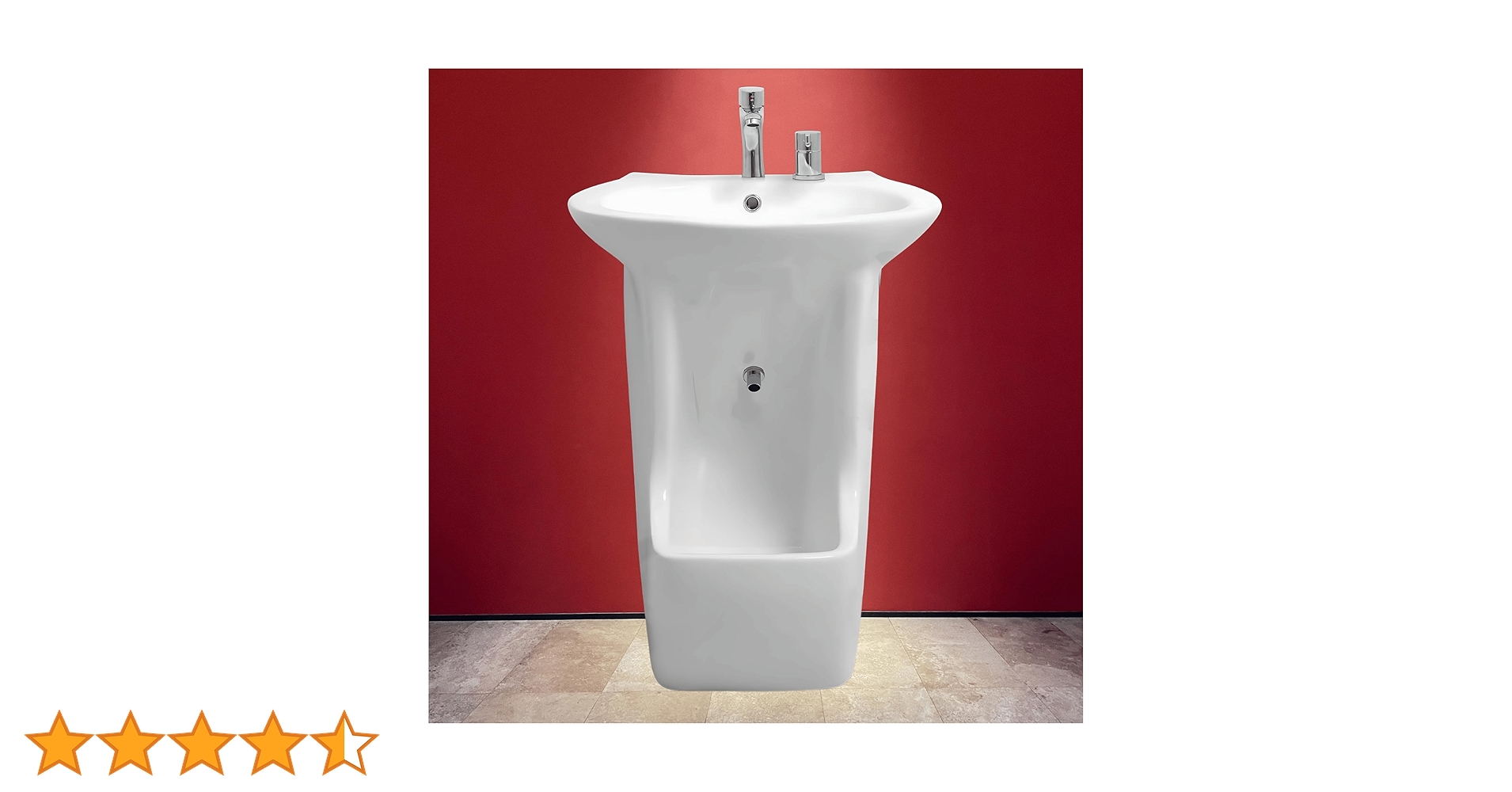
As sustainability becomes an increasing priority in modern construction and home design, choosing eco-friendly materials for a foot wash sink is an important consideration. Not only do sustainable materials reduce environmental impact, but they also provide durability, aesthetics, and safety benefits. Selecting the right materials ensures that the sink is long-lasting, easy to maintain, and aligns with environmentally conscious practices.
When planning a sustainable installation, a high-quality foot wash sink made from eco-friendly materials can be an excellent choice. Many modern sinks are crafted from solid surface materials, recycled composites, or natural stones that minimize environmental impact. These options are durable, non-porous, and resistant to stains and scratches, reducing the need for frequent replacements and maintenance while offering a stylish and modern appearance.
Solid Surface Materials
Solid surface materials, often made from a blend of natural minerals and recycled resins, are a popular choice for eco-friendly sinks. These surfaces are non-porous, making them hygienic and easy to clean without harsh chemicals. Solid surface sinks can be molded into various shapes and sizes, offering flexibility in design while maintaining a sustainable profile. Their long lifespan also ensures fewer replacements, reducing waste over time.
Recycled and Upcycled Composites
Using recycled or upcycled materials in foot wash sinks contributes significantly to sustainability. Some sinks incorporate recycled glass, plastics, or other industrial byproducts, which reduces the extraction of natural resources. These materials are engineered for durability, often featuring resistance to impact and wear. By choosing sinks made from recycled composites, homeowners and facility managers actively reduce landfill contributions and promote a circular economy.
Natural Stone Options
Natural stones such as granite, marble, or quartz are another eco-friendly choice for foot wash sinks. These materials are durable, require minimal maintenance, and can last for decades. When sourced responsibly from certified quarries, natural stone minimizes environmental harm. Additionally, stone sinks provide a classic and elegant look while being resistant to heat and moisture, making them ideal for both residential and commercial installations.
Bamboo and Wood-Based Alternatives
Though less common, some foot wash sinks integrate sustainably harvested bamboo or treated wood for aesthetic accents or supporting structures. Bamboo grows rapidly and regenerates quickly, making it a highly renewable resource. Properly treated wood can withstand moisture and remain hygienic, offering a warm and natural design element to the wash area. These materials add a touch of organic charm while supporting environmentally responsible practices.
Low-Impact Finishes and Coatings
Eco-friendly considerations extend beyond the base material to the coatings and finishes applied to the sink. Non-toxic, low-VOC (volatile organic compound) finishes improve indoor air quality and reduce environmental pollution. Finishes that resist staining and require minimal cleaning agents help lower the consumption of harsh chemicals, promoting a healthier and more sustainable home or facility environment.
Water Efficiency Features
While materials play a major role in sustainability, pairing an eco-friendly foot wash sink with water-efficient fixtures enhances environmental benefits. Faucets with aerators, sensor-activated taps, or low-flow designs reduce water usage without compromising functionality. Integrating these features ensures that the sink supports both ecological and practical objectives.
Longevity and Maintenance
Durable, eco-friendly materials require less frequent replacement, which further minimizes environmental impact. Materials like solid surface composites, natural stone, and recycled composites withstand everyday wear while maintaining their appearance. Simple cleaning routines with mild, environmentally friendly products help prolong the life of the sink, reducing waste and ongoing maintenance costs.
Conclusion
Choosing eco-friendly materials for a foot wash sink combines sustainability, durability, and aesthetic appeal. Solid surfaces, recycled composites, natural stones, and responsibly sourced wood or bamboo offer options that are environmentally conscious and long-lasting. By selecting materials that are durable, low-maintenance, and compatible with water-saving fixtures, homeowners and facility managers can create a sustainable and functional foot wash area that meets hygiene needs while minimizing environmental impact. Incorporating these choices demonstrates a commitment to sustainability without sacrificing style or practicality.