Proper plumbing is crucial for the functionality, hygiene, and safety of any wudu area. A Muslim foot washing sink requires careful planning of water supply, drainage, and installation to ensure efficient performance and minimal maintenance issues. Understanding the essential plumbing requirements is key for both new constructions and renovations in mosques, community centers, or private homes.
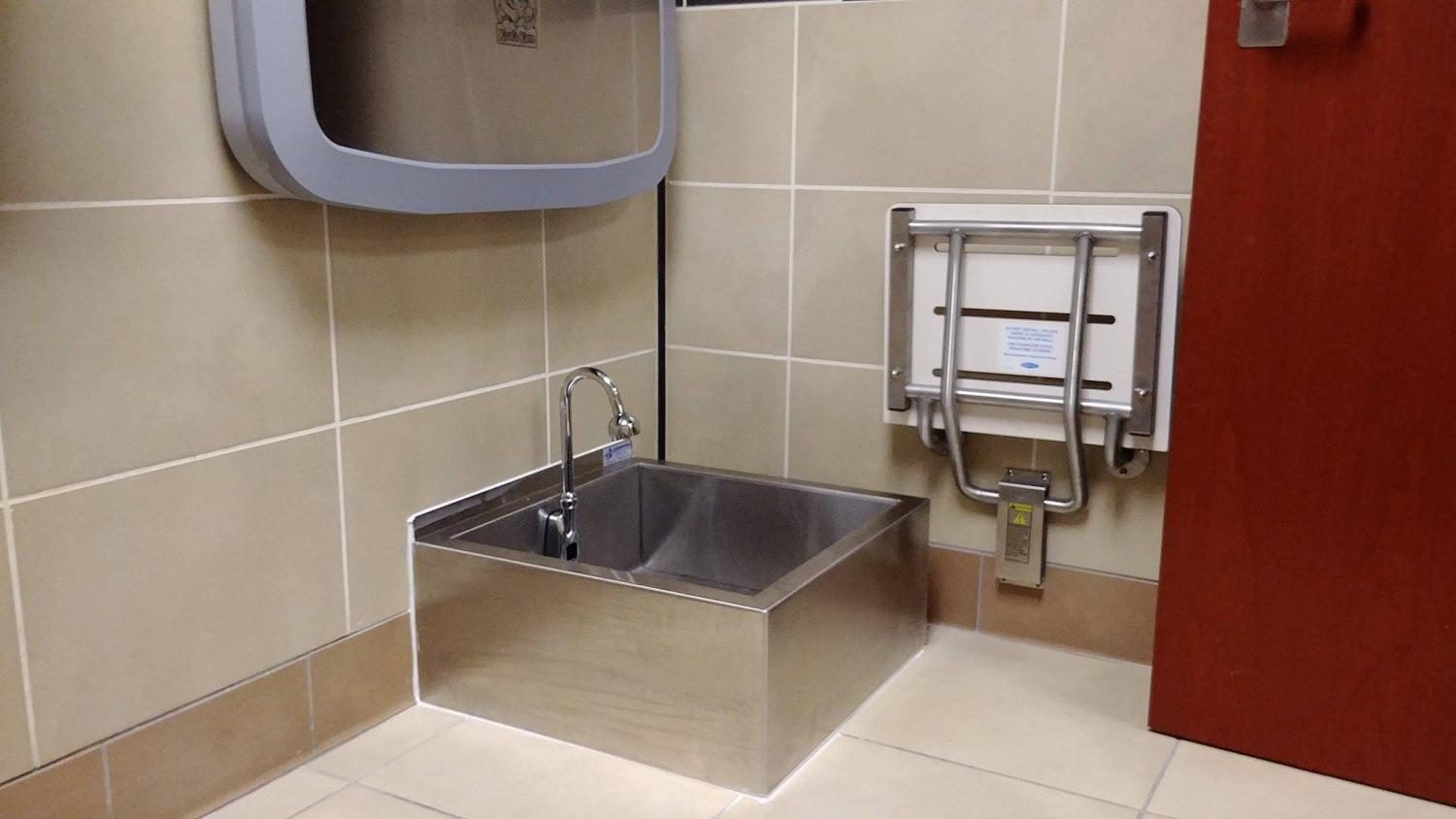
A prime example of a thoughtfully engineered unit is the Muslim foot washing sink, which integrates upper hand and lower foot basins. Its design simplifies plumbing by combining multiple water points into a single system, yet careful attention must still be paid to water pressure, pipe alignment, and drainage to guarantee optimal operation and hygiene.
Water Supply Considerations
The first requirement for any wudu sink is a reliable water supply. Both the hand and foot basins need consistent water pressure to function effectively. Plumbing lines should be sized to accommodate simultaneous use without a significant drop in pressure. In some installations, separate hot and cold water lines may be included, though many foot washing sinks use a single cold water supply to simplify installation and reduce costs.
Installing shut-off valves for each basin provides flexibility during maintenance or repair. These valves allow sections of the sink to be isolated without disrupting the entire water system, which is especially useful in high-traffic communal areas.
Drainage System Design
Effective drainage is critical to prevent water pooling, reduce slip hazards, and maintain hygiene. The Muslim foot washing sink should be connected to a properly sloped drainage line that ensures water flows away from the basin quickly. Each basin typically has a trap to prevent odors from entering the room, and all connections should be sealed tightly to avoid leaks.
For shared facilities, it is advisable to use a larger-diameter drainage pipe to accommodate heavy water usage during peak prayer times. Proper venting is also essential to maintain smooth drainage and prevent backflow or slow drainage that can cause overflow and contamination.
Pipe Alignment and Accessibility
Correct pipe alignment simplifies installation and future maintenance. Supply and drainage pipes should be laid out so that they are accessible for inspection, repairs, or replacement. Wall-mounted sinks often require hidden plumbing within reinforced walls, while floor-mounted units allow pipes to run beneath the unit or through the floor. Maintaining clear access points ensures that any plumbing issues can be resolved quickly without major disruption to the wudu area.
Non-Return and Backflow Prevention
To maintain water hygiene, non-return valves or backflow preventers are recommended for Muslim foot washing sinks. These devices prevent contaminated water from flowing back into the main supply, protecting users from potential health hazards. In communal facilities where multiple sinks share a water supply, these precautions are especially important.
Water Conservation Features
Modern foot washing sinks often incorporate water-saving measures such as low-flow faucets or sensor-activated taps. These features require precise plumbing to ensure consistent flow and prevent leaks or erratic water pressure. Implementing efficient water management not only reduces utility costs but also supports sustainable facility operation.
Compliance with Local Codes
Before installing a wudu sink, it is important to verify compliance with local plumbing codes and building regulations. Proper pipe sizing, installation methods, and materials must meet standards to ensure safety and reliability. Consulting with licensed plumbers or engineers ensures the installation adheres to all legal and safety requirements.
Maintenance and Long-Term Considerations
Routine maintenance is essential to keep the plumbing functioning smoothly. Regularly inspecting pipes, traps, and faucets for leaks or blockages prevents minor issues from becoming major problems. Easy access to plumbing components, durable materials, and well-planned drainage layouts significantly reduce long-term maintenance needs.
Conclusion
The proper plumbing of a Muslim foot washing sink is fundamental for ensuring hygiene, functionality, and user safety. Key requirements include consistent water supply, efficient drainage, accessible pipe alignment, backflow prevention, and compliance with local codes. Incorporating these plumbing principles, alongside durable and thoughtfully designed sinks, allows mosques, community centers, and homes to provide reliable, safe, and clean wudu facilities for all users.